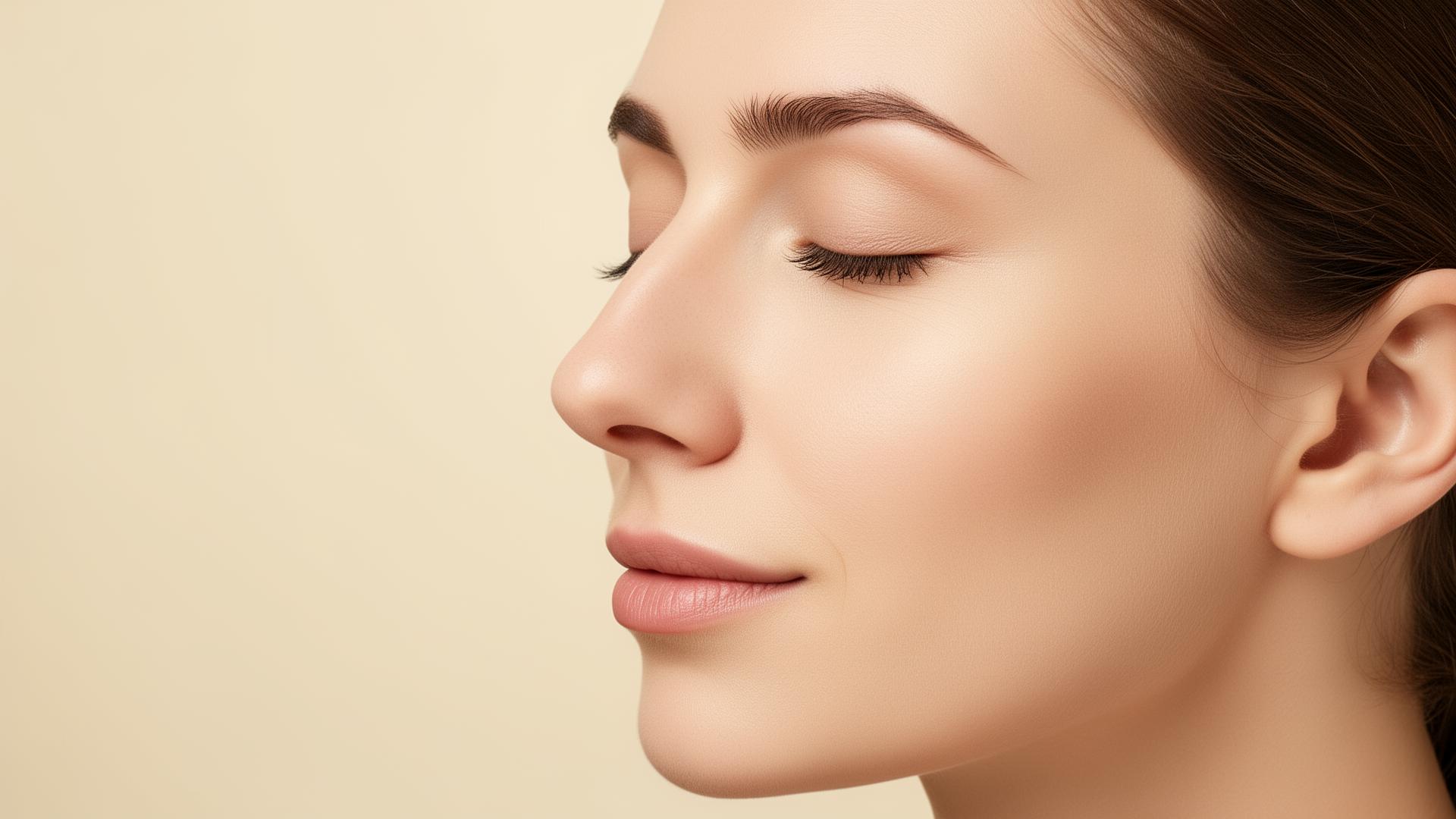

Septorhinoplasty

Septorhinoplasty

Improving Breathing While Refining the Shape of the Nose

Combining Function and Aesthetics

Septorhinoplasty is a procedure that combines functional nasal surgery with aesthetic rhinoplasty in a single operation. It is performed for patients who experience breathing difficulties due to a deviated septum and who also wish to improve the appearance of their nose.

At Dr Nizar Hamadeh's Rhinoplasty Centre, septorhinoplasty is planned with equal attention to nasal function and facial balance, ensuring that improvements in breathing do not come at the expense of a natural appearance.

What is Septorhinoplasty?

Septorhinoplasty involves correcting the nasal septum — the internal wall that divides the nasal passages — while also reshaping the external structure of the nose. By addressing both issues at the same time, septorhinoplasty avoids the need for separate operations.

Patients may require septorhinoplasty if they have:
Nasal obstruction or difficulty breathing
A deviated septum affecting airflow
External nasal asymmetry linked to internal deviation
Aesthetic concerns alongside functional symptoms

How Septorhinoplasty Differs from Other Procedures

Septorhinoplasty is distinct from other rhinoplasty types:

  • Primary Rhinoplasty focuses on appearance in first-time surgery
  • Functional Rhinoplasty focuses primarily on breathing improvement
  • Septorhinoplasty treats both structure and appearance together
  • This combined approach requires careful planning to maintain nasal strength, stability, and long-term function.

    A Balanced Surgical Approach

    Correcting the septum can influence the external shape of the nose. For this reason, septorhinoplasty is approached as a single, integrated procedure, not two separate operations.
    Dr Hamadeh’s approach prioritises:
    Restoring healthy airflow
    Preserving nasal support
    Maintaining symmetry and balance
    Avoiding overcorrection
    Every surgical plan is tailored to the patient’s anatomy and symptoms.

    What Septorhinoplasty Can Improve

    Septorhinoplasty may help to:
  • Improve nasal breathing
  • Reduce blockage on one or both sides of the nose
  • Straighten a deviated nose
  • Refine the nasal bridge or tip where appropriate
  • Improve overall facial harmony
  • Not all breathing problems are caused by the septum, which is why a detailed assessment is essential.

    Surgical Techniques and Planning

    The techniques used during septorhinoplasty depend on:
  • The severity of septal deviation
  • The structure of the nasal bones and cartilage
  • The desired aesthetic outcome
  • In selected cases, advanced tools such as ultrasonic (piezo) technology may be used to assist with precise bone reshaping.

    Recovery After Septorhinoplasty

    Recovery following septorhinoplasty varies depending on the extent of correction. Patients are generally advised that:
  • Swelling and congestion are common in the early stages
  • Breathing typically improves gradually as healing progresses
  • Final aesthetic refinement takes several months
  • Clear aftercare guidance and follow-up appointments support recovery and long-term results.

    Expected Outcomes

    Septorhinoplasty aims to achieve:
    Improved nasal airflow
    A stable, natural-looking nose
    Balanced proportions that suit the face
    While significant improvements are often possible, outcomes depend on individual anatomy and healing.

    Why Choose Dr Nizar Hamadeh for Septorhinoplasty?

    Patients considering septorhinoplasty often value:
  • A thorough assessment of both function and appearance
  • Honest discussion of what can be achieved
  • A conservative, safety-focused approach
  • Dr Hamadeh’s experience in both aesthetic and functional nasal surgery allows for careful integration of form and function.

    Septorhinoplasty FAQ

    Is septorhinoplasty medically necessary?

    The functional component may be medically indicated, while aesthetic changes are elective. This is discussed during consultation.

    It can, particularly if the septal deviation affects external shape. Any aesthetic changes are planned carefully.

    Recovery timelines are similar, though congestion related to septal work may last longer initially.

    Breathing improves gradually as swelling settles during healing.

    Book a Consultation

    If you are considering septorhinoplasty and would like personalised guidance, a private consultation with Dr Nizar Hamadeh will help you understand your options and decide on the most appropriate approach.

    Consultations are available for UK-based and international patients, including in-person and virtual options where appropriate.

    BOOK NOW